
5 Ways to Choose Vintage New Orleans Apartments
Vintage New Orleans apartments combine historic architecture, distinctive details, and modern rental comfort in neighborhoods across the city. They may be furnished or unfurnished, giving newcomers flexibility while they settle in. Look for original floors, tall ceilings, balconies, thoughtful updates, and a location that fits your everyday routine.
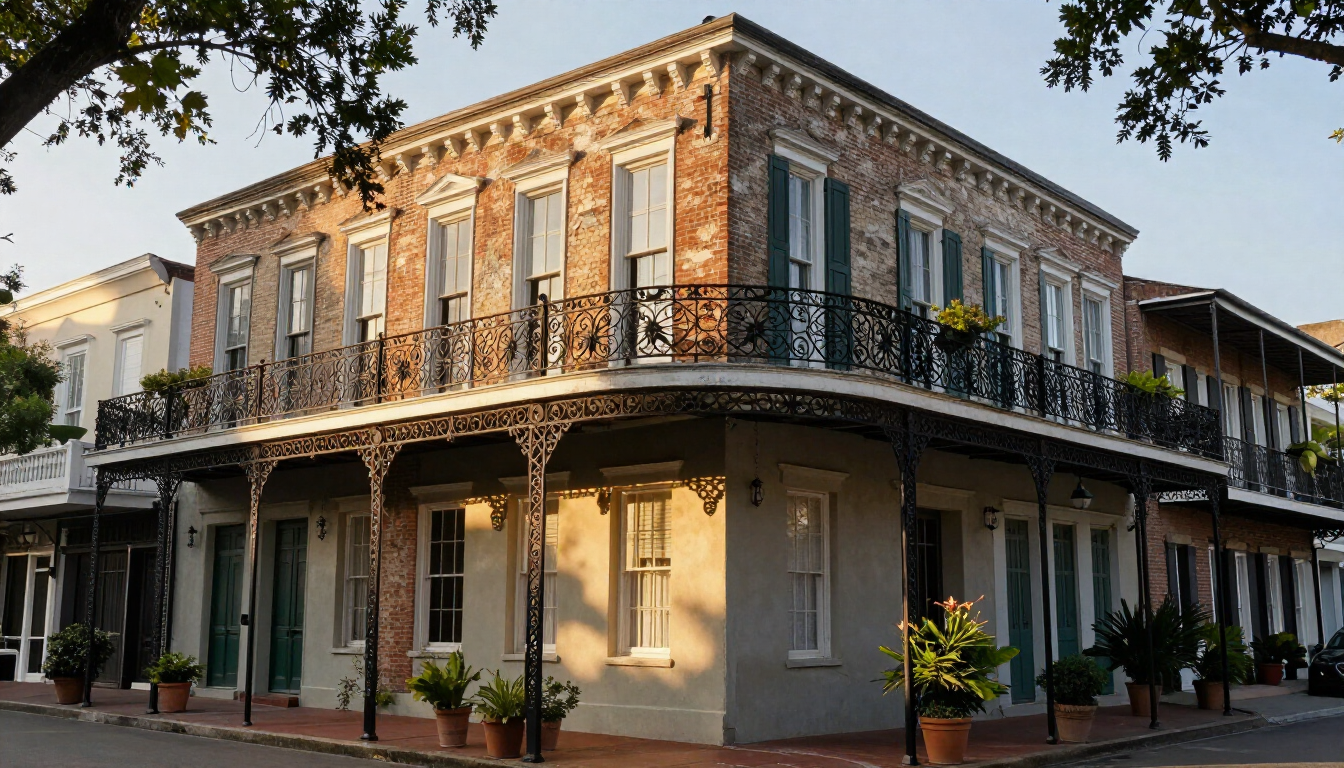
Why choose vintage New Orleans apartments?
Moving to New Orleans from out of town can feel like a major change. You are not only choosing a floor plan; you are choosing the surroundings that will shape your first experience of the city. A vintage apartment can make that experience feel more connected to New Orleans from day one.
Historic rentals often have details that newer buildings are designed to imitate, including:
- High ceilings and large windows
- Original hardwood floors or decorative tile
- Ornate mantels, trim, shutters, or doors
- Ironwork balconies and welcoming porches
- Distinctive layouts with character and natural light
Those features are part of the appeal, but the right rental should also work practically. Check the condition of the kitchen, bathroom, windows, electrical systems, appliances, and heating or cooling. Character matters most when it comes with a comfortable place to live.
What makes a New Orleans apartment feel vintage?
“Vintage” can mean different things to different renters. Some people want a carefully preserved historic home with original details. Others prefer a renovated apartment that keeps its architectural personality while offering updated appliances and finishes.
When comparing New Orleans apartment rentals, pay attention to the details that create atmosphere:
- Architecture: Look for shotgun layouts, Creole cottages, historic townhouses, or apartments in converted buildings.
- Materials: Wood floors, exposed brick, old-growth trim, plaster walls, and patterned tile can add warmth.
- Light and proportions: Tall windows, high ceilings, and spacious rooms can make an older apartment feel especially inviting.
- Outdoor space: A balcony, courtyard, gallery, or shared garden can make indoor living feel more connected to the city.
- Updates: Modern plumbing, reliable air conditioning, secure entry, and functional appliances are valuable everyday improvements.
The best vintage apartments balance personality with livability. Ask which elements are original, what has been renovated, and how the property is maintained. If you are unfamiliar with local architecture, browse Our Properties to see the kinds of homes and features available.
How do furnished and unfurnished apartments compare?
The choice between furnished and unfurnished apartments usually depends on your timeline, belongings, and plans for living in New Orleans. Neither option is automatically better. The right choice is the one that reduces friction during your move.
Furnished apartments
A furnished apartment can be a convenient fit if you are relocating quickly, arriving with limited belongings, or testing out a neighborhood before making a longer-term commitment. Furniture, lighting, and basic household pieces may already be in place, so you can settle in with fewer moving decisions.
Furnished rentals are often useful for:
- Professionals moving for work
- Students, visiting faculty, or temporary residents
- People relocating from another state
- Renters between homes
- Anyone who wants a simpler arrival
Before signing, confirm exactly what is included. Review the inventory, condition of the furnishings, utility arrangements, storage space, and move-in expectations. A furnished apartment should feel convenient, not ambiguous.
Unfurnished apartments
An unfurnished apartment gives you more control over the look and function of your home. It may be preferable if you already own furniture, plan to stay longer, or want to create a personal style around a historic space.
Unfurnished rentals can offer:
- More flexibility in decorating and arranging rooms
- Space for your own furniture and belongings
- A better fit for longer-term living
- The opportunity to build a home gradually
You will need to account for delivery, setup, window coverings, and other move-in costs. Measure rooms and doorways before purchasing large items, especially in older buildings with unusual layouts.
Which location is right for your lifestyle?
New Orleans is made up of neighborhoods with different rhythms, architecture, amenities, and transportation patterns. A beautiful apartment may not be the best choice if the location makes your daily routine difficult.
Before deciding, consider:
- Your commute and access to major roads or transit
- Walkability to groceries, cafés, restaurants, and services
- Noise levels during the day and evening
- Parking availability and street conditions
- Proximity to work, school, family, or community connections
- Whether you prefer a lively or quieter atmosphere
If you are arriving from out of town, make a shortlist of priorities before viewing homes. Separate “must have” features from “nice to have” details. This helps you compare properties fairly instead of choosing based only on the first charming balcony or beautiful floor.
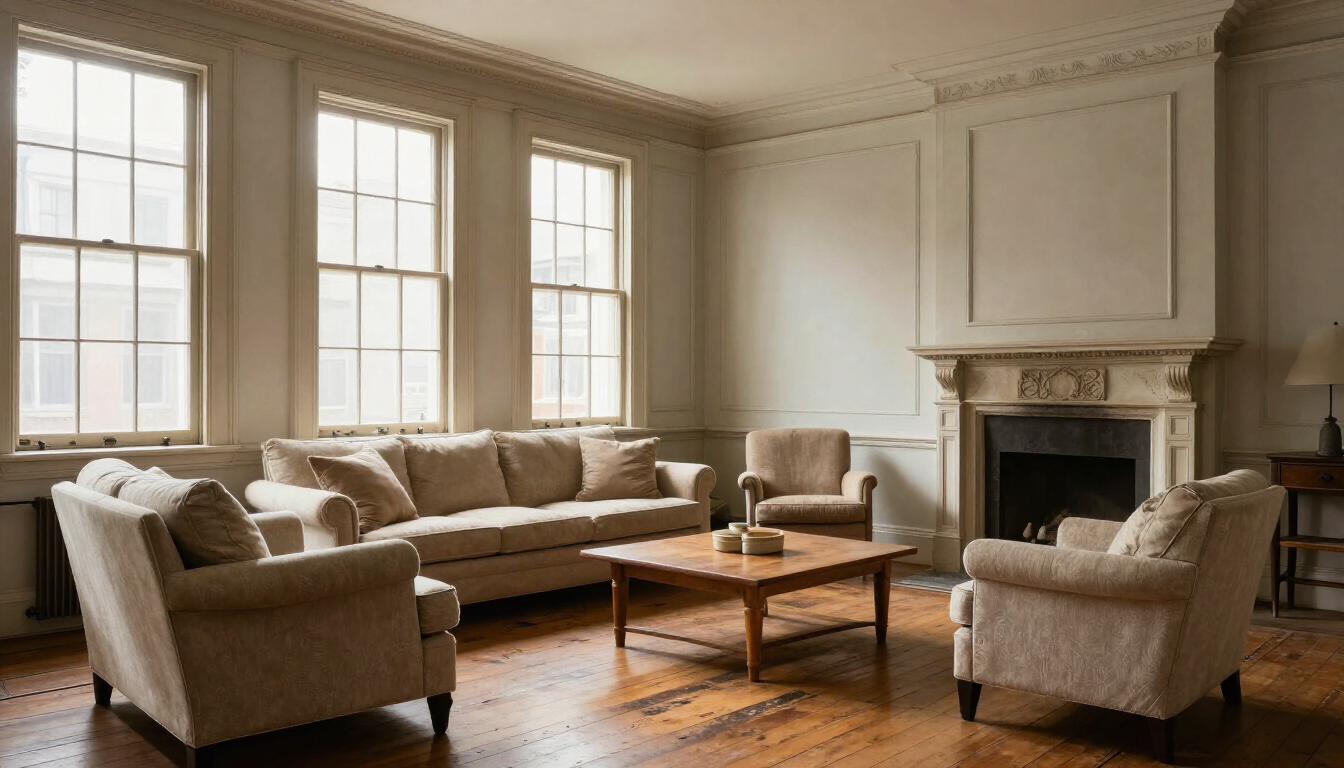
What should you check before renting a historic apartment?
Older buildings can offer remarkable character, but a careful walkthrough is essential. Look beyond staging and take time to understand how the apartment will perform every day.
A practical viewing checklist
- Air conditioning and heating: New Orleans weather can be demanding. Ask how the system is maintained and whether each room is comfortable.
- Windows and doors: Check for drafts, damaged frames, sticking doors, and secure locks.
- Water and plumbing: Test faucets, showers, toilets, and water pressure. Ask about any known issues.
- Electrical capacity: Look at outlets, lighting, breaker panels, and whether the space supports your appliances.
- Moisture and maintenance: Inspect ceilings, walls, closets, and bathrooms for signs of leaks or dampness.
Also ask about laundry, trash collection, pest control, parking, package delivery, guest policies, and emergency maintenance. These practical questions are especially important when you are making a decision from another city.
A rental team that knows its properties should be able to explain what makes each apartment distinctive, how it is maintained, and what to expect after move-in. For common questions about renting, deposits, maintenance, and policies, visit the Tenant FAQ .
How can newcomers choose with confidence?
Start with a realistic budget that includes rent, utilities, transportation, insurance, furnishings, and moving expenses. Then identify the features that matter most to you. Maybe that means a furnished home, a balcony, a central location, original architectural details, or enough room to work from home.
Next, compare apartments using the same criteria rather than relying on memory. Note the condition, included amenities, natural light, noise, storage, and estimated monthly costs. Photos are helpful, but they cannot answer every question about sound, temperature, access, or daily convenience.
If you cannot visit in person, request a detailed virtual tour and ask for current photos or video of the exact unit. Confirm measurements, lease terms, utility responsibilities, parking arrangements, and the move-in process in writing. A clear conversation before signing can prevent surprises later.
Your next step
Vintage New Orleans apartments are a strong choice for renters who want more than a standard floor plan. Their historic details, neighborhood personality, and flexible furnished or unfurnished options can make moving to the city feel more personal. The best fit combines character with reliable systems, practical amenities, and a location that supports your routine. Start by deciding whether furnished or unfurnished living suits your timeline, then compare available properties by condition, cost, and neighborhood. Review About to learn more about the rental specialty, explore Listings , and reach out with questions before choosing your new home.